Blown-In Fiberglass insulation.
Fiberglass is the most installed attic insulation in North America for a reason — non-combustible, mold-resistant, and engineered to perform for decades. Here is exactly what it is, how it works, and why it’s our primary product.
What it is
Fiberglass insulation is made from extremely fine glass fibers that trap millions of tiny air pockets. Those air pockets dramatically slow heat transfer. The insulation does not create heat — it slows its movement, keeping homes warmer in winter and cooler in summer.
How blown-in works
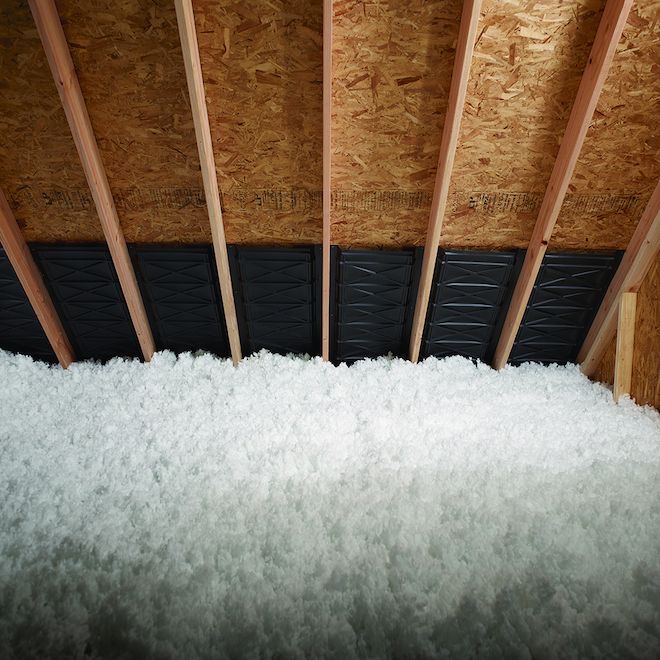
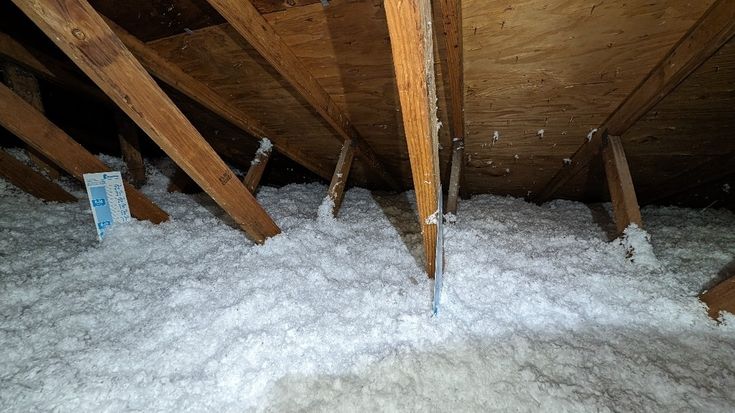
The fiberglass is mechanically conditioned by a hopper and pneumatically distributed across the attic floor. The machine breaks the material apart into fluffy, lofted clusters that fill every cavity — including corners, wiring chases, and irregular framing. The result is uniform depth, complete coverage, and verifiable R-value.
Advantages
- Strong thermal resistance (~R-3.7 per inch)
- Long service life
- Fire resistant · non-combustible
- Moisture resistant
- Mold resistant
- Pest resistant
- Contains recycled glass content
- Cost effective vs. many alternatives
- Consistent thermal performance over time
Five steps.
Done right.
Every Secure Insulation install follows the same documented sequence — no shortcuts, no surprises. Photos delivered at every stage.
Inspection
We measure existing R-value, check moisture, soffits and contamination, document the attic with photos, and deliver a written report to the homeowner.
Soffit Cleaning
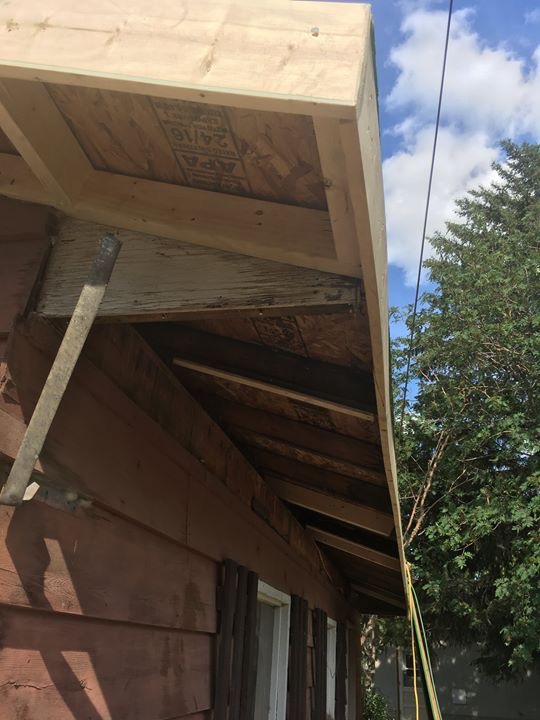
Every soffit vent is cleared of dust, debris and old insulation overflow. Restoring soffit intake is essential for the attic to breathe properly.
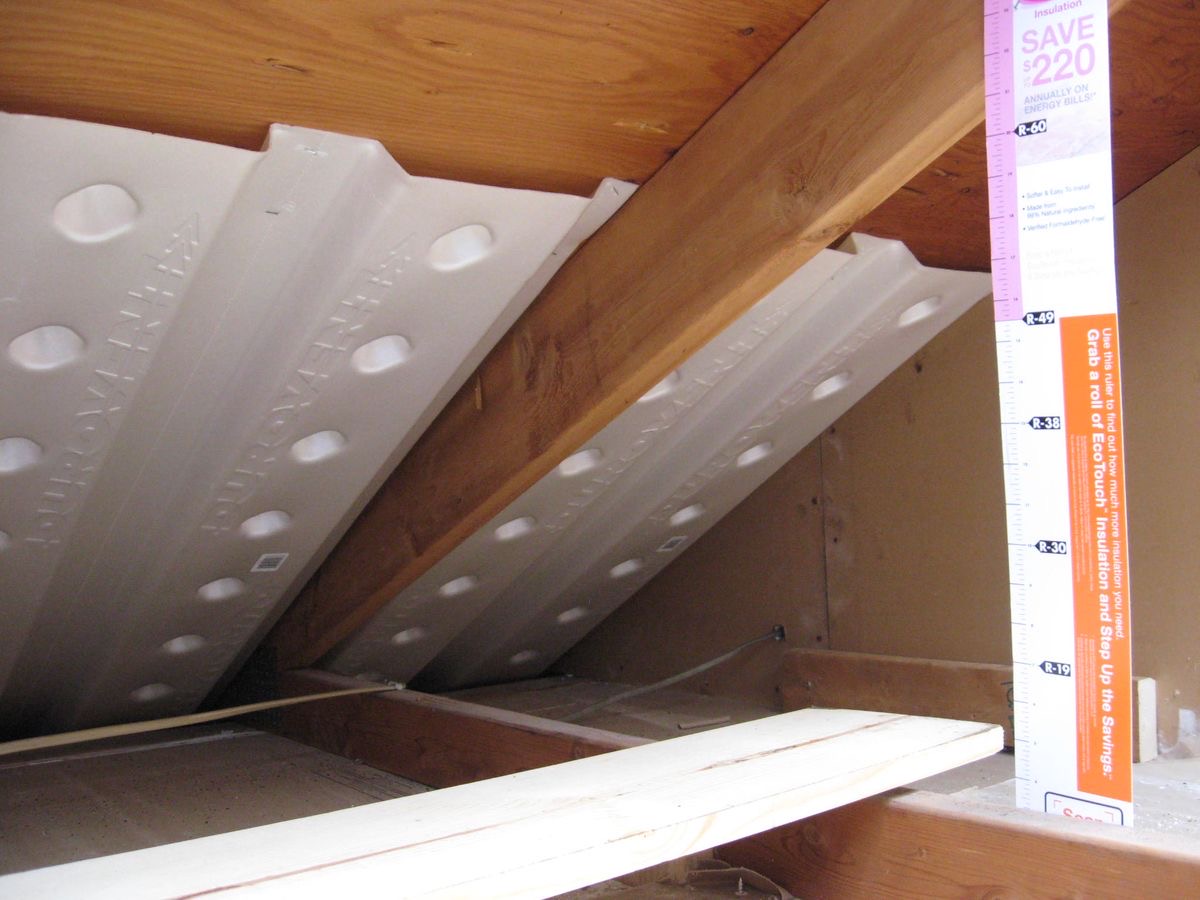
Attic Baffles Installation
Rigid attic baffles are installed at the roof edge. They keep soffit airflow open after the insulation is blown — preventing condensation, mold and ice damming.
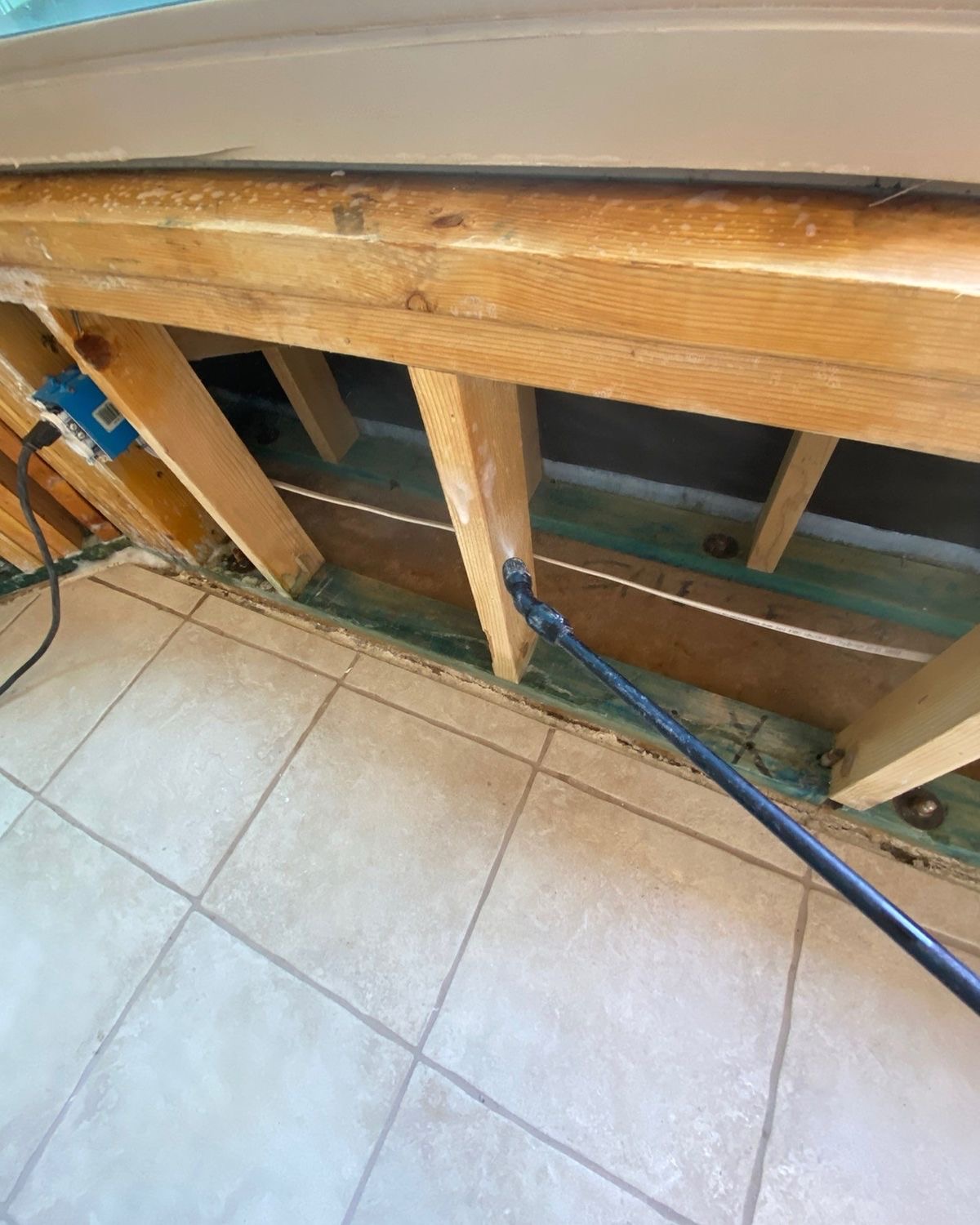
MMR Decontamination
MMR (Mold / Mildew / Rodent) antimicrobial is applied to framing and sheathing. Standard on every job — no upsell, no extra charge.
Blowing Fiberglass
Blown-in fiberglass is mechanically conditioned and distributed evenly across the attic floor to the target R-value — typically R-60. Coverage verified, photos delivered.